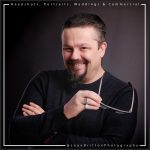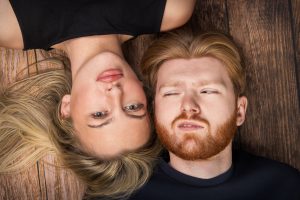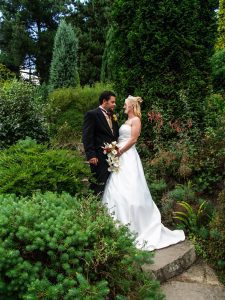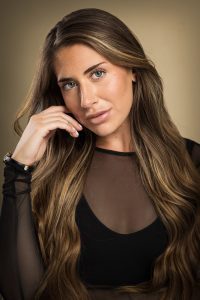
Ask people about their favourite photograph of themselves and it’s rarely the stiff, posed one. It’s usually a candid — a real laugh, an unguarded glance, a moment they didn’t know was being captured. There’s a particular magic in the in-between moments, and chasing them is one of the most rewarding parts of what I do.
Why candid works
A posed photo shows what someone looks like. A candid one shows who they are. The genuine emotion of an unscripted moment — joy, tenderness, concentration, mischief — connects with us in a way a carefully arranged shot often can’t. It feels true, because it is.
Where candid photography shines
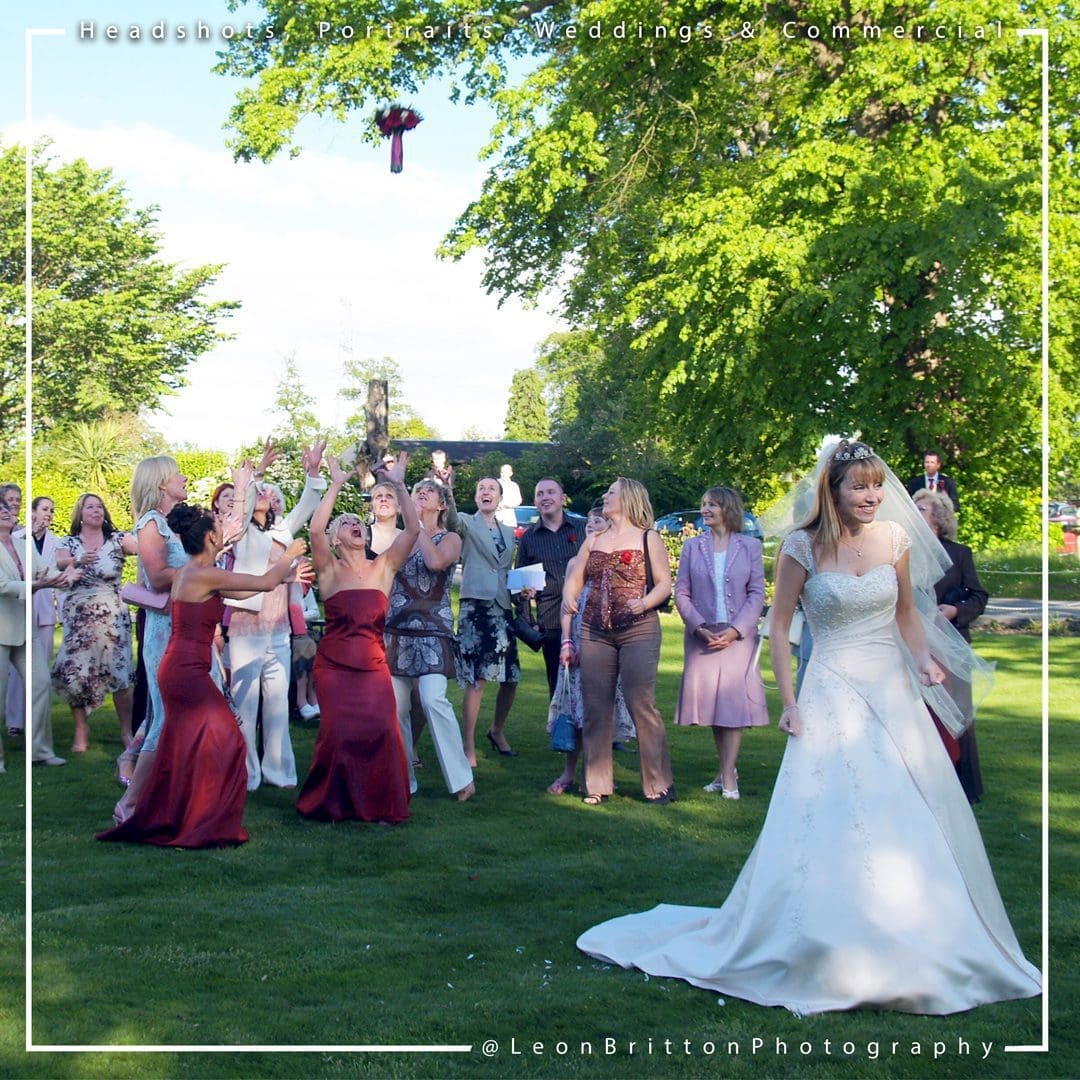
- Weddings — the speeches, the dance floor, the quiet glances between guests.
- Events — the energy and atmosphere that posed group shots simply miss.
- Portraits and families — the natural interactions that reveal real personality and relationships.
It takes anticipation
Capturing the moment isn’t luck. It’s about reading a room, anticipating what’s about to happen, and being ready — present but unobtrusive, close enough to catch it without changing it. Good candid photography is a skill that looks effortless precisely because so much of the work is invisible: the watching, the waiting, the knowing when to lift the camera.
The balance
That’s not to dismiss posed photographs — there’s a place for both, and most shoots benefit from a mix. But the candids are very often the frames people treasure most, long after the day itself.
How I use candid photography in sessions
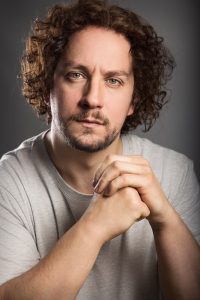
For portrait and headshot clients, candid moments often arise in the in-between spaces of a session u2014 while we’re adjusting lighting, while you’re looking at images on the back of the camera, when something makes you laugh. I keep shooting during those moments, because they often yield the images clients end up choosing as their favourite from the whole day.
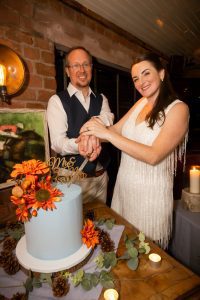
For events and weddings, candid photography is essentially the main event. Anyone can photograph the formal moments u2014 the first dance, the cake cutting, the ceremony. The skill is in the room: reading where the energy is, anticipating the moment before it happens, and being invisible enough that people forget they’re being photographed.
The technical demands of candid work
Good candid photography is technically demanding in ways that aren’t always obvious. It requires fast lenses that perform in low light u2014 because you can’t ask a real laugh to wait while you adjust the lighting. It requires the ability to frame quickly, to pick a focal length that lets you stay unobtrusive, and to process what you’re seeing fast enough to actually catch the moment rather than a near-miss. Equipment matters here, but experience matters more.
Why candid and posed work well together
Most portrait sessions benefit from a blend of both. Posed images give you control u2014 a specific look, a specific expression, a specific angle that you know works. Candid moments give you authenticity. Together, they produce a set of images that’s both professional and genuinely you u2014 which is exactly what personal branding and portrait photography should do.
If the idea of having your photo taken makes you anxious, a photographer who knows how to capture candid moments is actually an advantage u2014 because a lot of the best images from your session might come when you’re not thinking about the camera at all.
To discuss your session, see my portrait photography or get in touch.