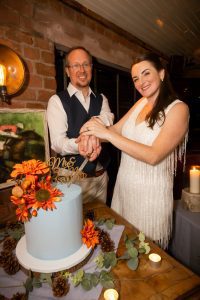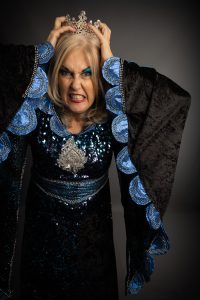
If I had to name the single most important skill in my work, it wouldn’t be lighting or editing or knowing my camera inside out — useful as those are. It would be putting a nervous person at ease. Because the truth is, most people genuinely dread having their photo taken, and a tense subject is the hardest thing in the world to photograph well.
Why so many people are nervous
It’s almost universal. People arrive convinced they’re “not photogenic”, carrying years of disliking photos of themselves, and bracing for the camera to confirm their worst fears. That’s not vanity — it’s vulnerability, and I take it seriously. Understanding that nearly everyone feels this way is the starting point for everything else I do.
How I take the pressure off
- We start with a chat, not the camera. The first few minutes are about settling in, not performing.
- I give clear direction. You never have to guess what to do with your hands or how to stand — I’ll guide all of it.
- You see the images as we go. The moment you spot a shot you like, the nerves start to lift.
- No rushing. We work at a comfortable pace until you’re happy.
Walking a mile in their shoes
A lot of it comes down to empathy — genuinely imagining how it feels to be on the other side of the lens, and adjusting how I work to suit the person in front of me. Some people relax with a bit of humour; others need calm and reassurance. Reading that, and responding to it, is most of the job.
What I actually do in the first ten minutes
The opening minutes of a session matter most. They set the emotional temperature for everything that follows. So I don’t start by picking up the camera. I start with a conversation u2014 about why you’ve booked, what you’re hoping to get out of the shoot, whether you’ve had professional photos taken before. It sounds simple. It works.
While we’re talking, I’m also doing something else: I’m letting you get used to me. To my voice, to the space, to the fact that this is a normal situation with a normal human being at the other end of the camera. Most of the nervousness that people bring into a session is about the unknown. Once the unknown has a face and a voice and a laugh, it gets smaller.
Showing you the images as we go
One of the most effective things I do is show clients images during the shoot u2014 not at the end, but as we’re going, when there’s still time to react to what I’m seeing and adjust. There’s a specific moment in most sessions when a client sees a photo of themselves and something shifts. They realise the image in front of them looks nothing like the version of themselves they’d dreaded. After that point, the session almost always gets easier and more natural.
Humour helps (used properly)
A laughing face is almost always a more interesting face than a posed one. I use humour u2014 genuine, low-key, not performative u2014 to break the tension in sessions. Not scripted jokes. Just honest conversation, the odd observation, the kind of exchange that makes someone forget they’re supposed to be nervous. When you catch someone mid-laugh or just after it, you often capture something that no amount of direction could produce.
If you’re worried about being nervous in front of the camera, that’s actually one of the most common things people tell me before a session u2014 and one of the most common things they forget about twenty minutes in. Get in touch and we can talk through what to expect.