Long before Leon Britton Photography was a business, it was a photography BA — three years of degree study that shaped how I still think about images today, even ones with nothing to do with clients or bookings.
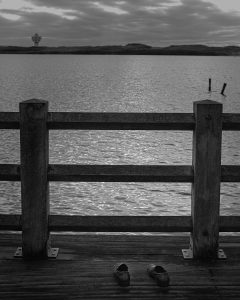
One project from that degree comes back to me more often than almost anything else I made back then. It’s a simple idea on paper: the same pair of shoes, photographed in four completely different locations around Liverpool, with nobody else in the frame at all.
The Brief I Set Myself
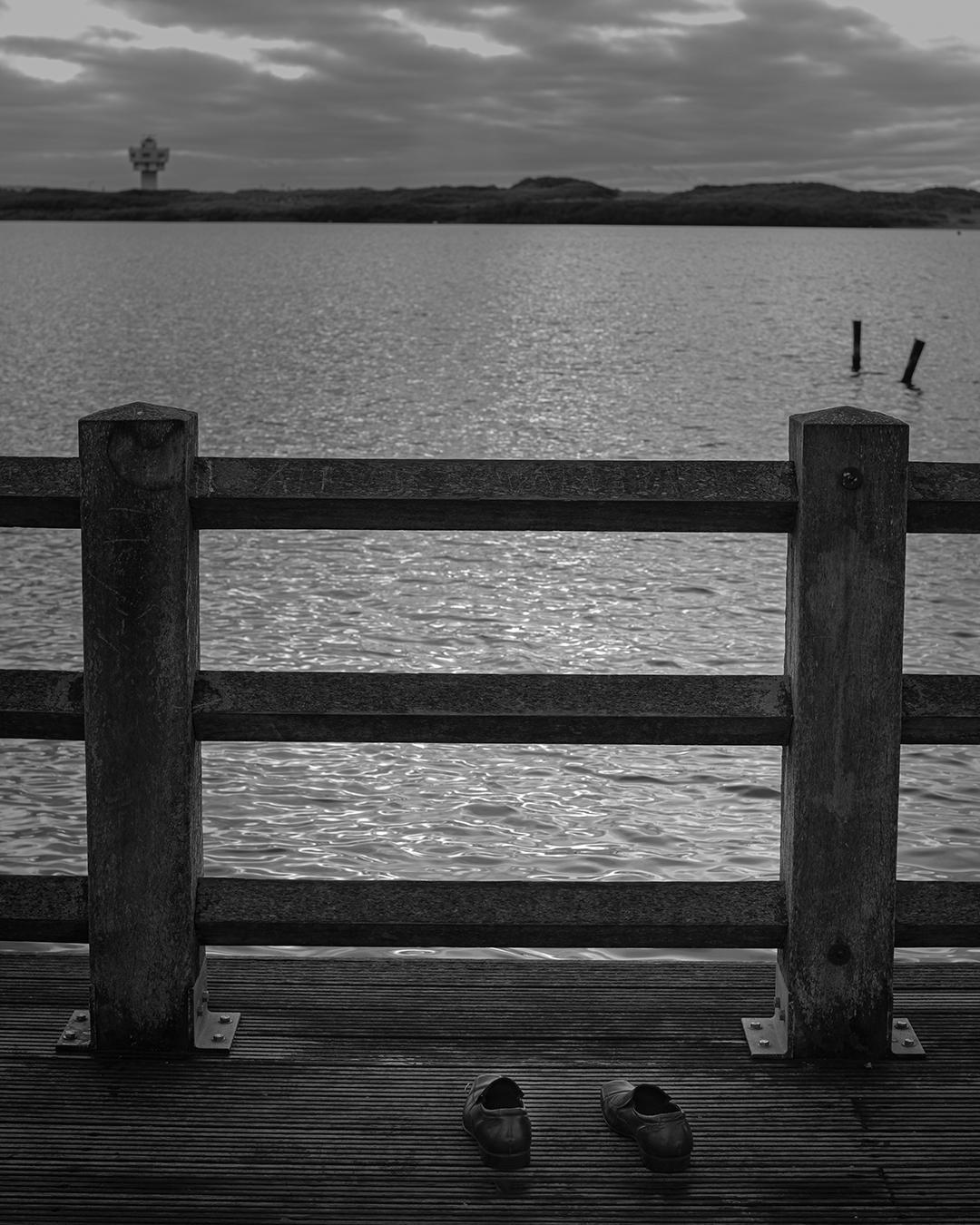
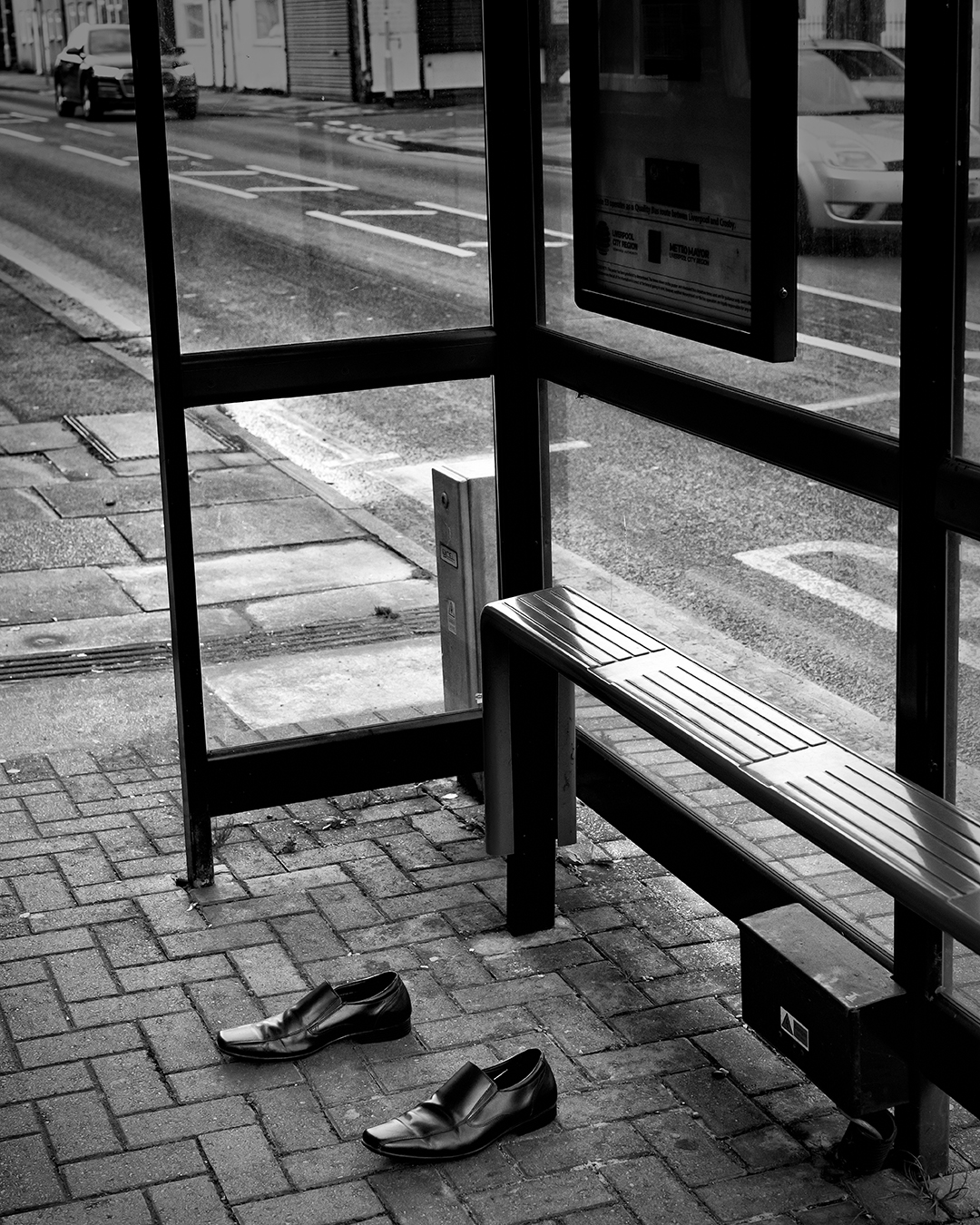
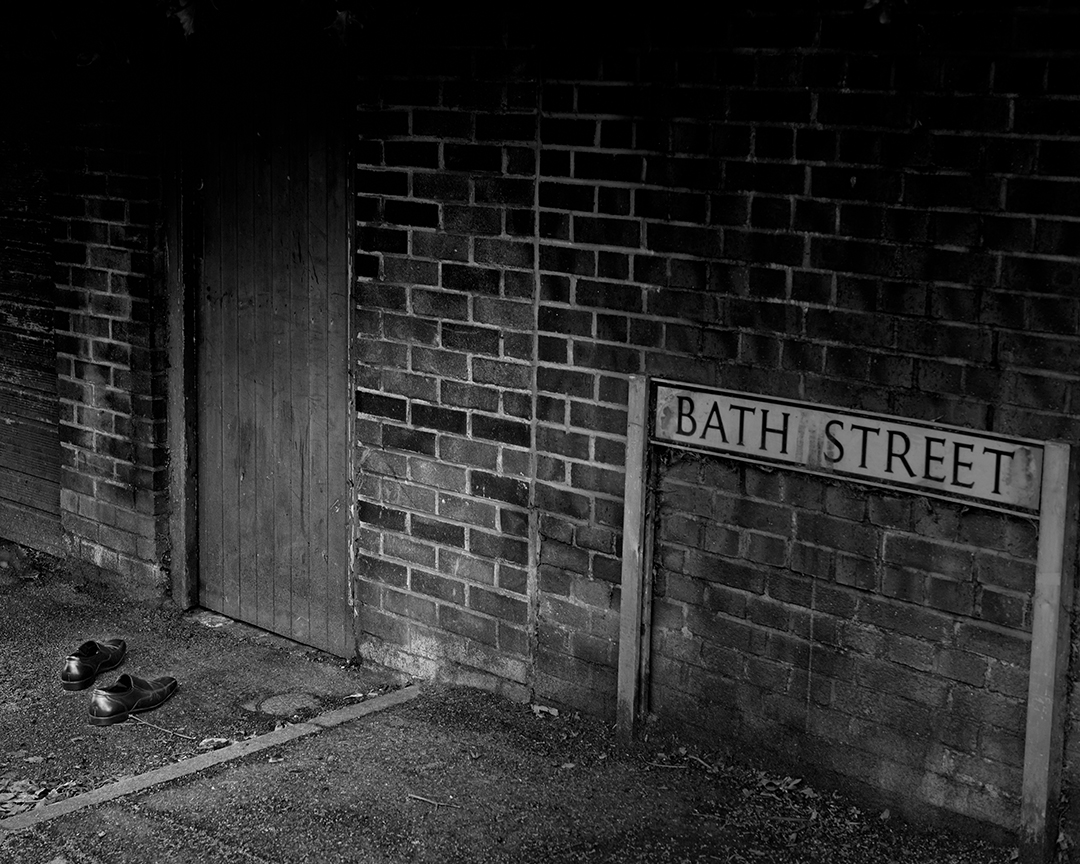
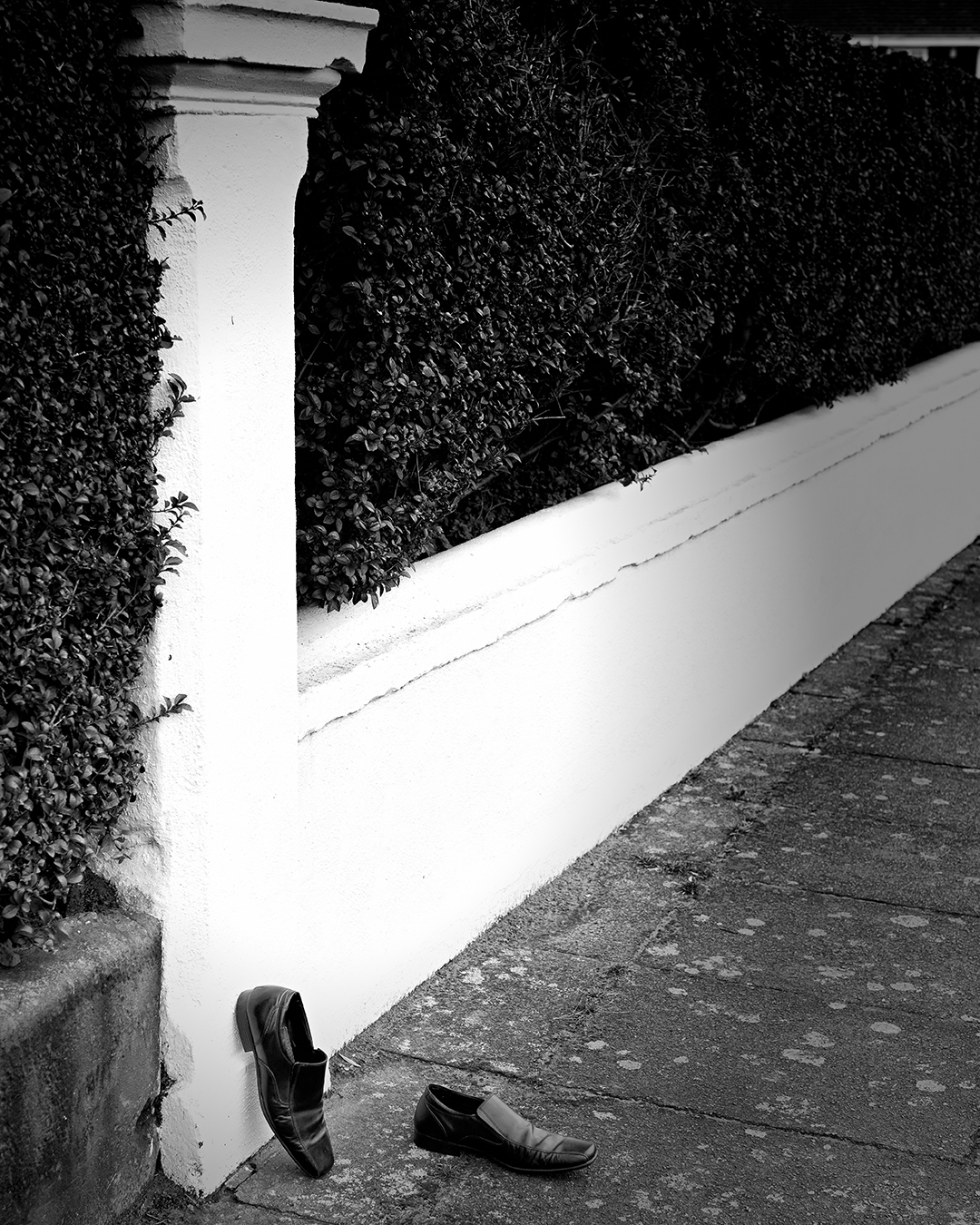
No model, no person, no explanation. Just one pair of shoes, moved to a new setting each time — left at the end of a jetty overlooking open water, sitting in an empty bus shelter, abandoned in a back alley beside a street sign reading “Bath Street,” and propped against a garden wall under a dark hedge.
The point wasn’t the shoes themselves. It was testing how much a viewer’s imagination does the work of building a story, purely from where an object is placed and how it’s framed — with no actual narrative supplied at all.
Why Placement Does More Work Than You Think
The four settings were chosen deliberately, because each one nudges the viewer toward a completely different read of the exact same object.
Shoes left at the edge of a jetty over water suggest something quite different to shoes waiting patiently in a bus shelter. A back alley beside a street sign reads as slightly ominous or mysterious. Shoes propped against a garden wall on an otherwise unremarkable street feel almost domestic — like someone stepped out of them mid-walk.
Nothing in any of the four images actually tells you what happened. There’s no note, no clue, no second object. The entire shift in mood comes from setting, framing, and the associations we already carry about piers, bus stops, alleyways, and garden walls.
The Four Locations
The Psychology of an Absent Subject
This is the part of the project that’s stayed with me. Photography is often talked about in terms of what’s in the frame — but a huge amount of how a photo is read comes from what your brain supplies without being asked to. Remove the subject entirely, and people don’t see an empty scene. They see a story, a person who was just there, an implied moment either just before or just after the photo was taken.
It’s a genuinely useful reminder that composition isn’t just decoration around a subject — it’s doing real narrative work of its own, whether or not you’re conscious of it as the viewer.
What It Means for Client Work Today
I don’t shoot empty shoes for a living anymore, but the underlying lesson shows up in almost every session I do — headshots, brand photography, weddings, events. Where someone is placed, what’s around them, and how much space they’re given in the frame all shape how the image is read, often more than the expression on their face does.
If you’re commissioning photography for your business, that’s worth knowing: a good photographer isn’t just capturing you, they’re building the context around you that tells people how to read the image before they’ve consciously registered why.
Get in touch if your business needs photography that does that work properly.